civic
Andrew Derbyshire, 1973
Civic Centre, High Street, Uxbridge, UB10 1UW
what3words: master.spent.sheep
Discover the architectural and civic history of Hillingdon Civic Centre on a guided tour led by local history and architecture experts. Explore its distinctive design and incorporation of the old tow, marriage room, public artworks, stained glass, iconic "Bones" artwork, Lady Hillingdon portrait and Jane Grey window, revealing how this landmark reflects Hillingdon's heritage, identity and growth.
Uxbridge
427, U1, U3, U4
There may be steps on this tour.
Guided tour
11:00–12:00
Tour to meet at the Hillingdon Museum and Archives, located next to Uxbridge Library within the Civic Centre
Past event
For the first time ever as part of Open House Festival, Hillingdon Civic Centre opens its doors for an exclusive behind-the-scenes exploration of one of west London's most significant civic buildings.
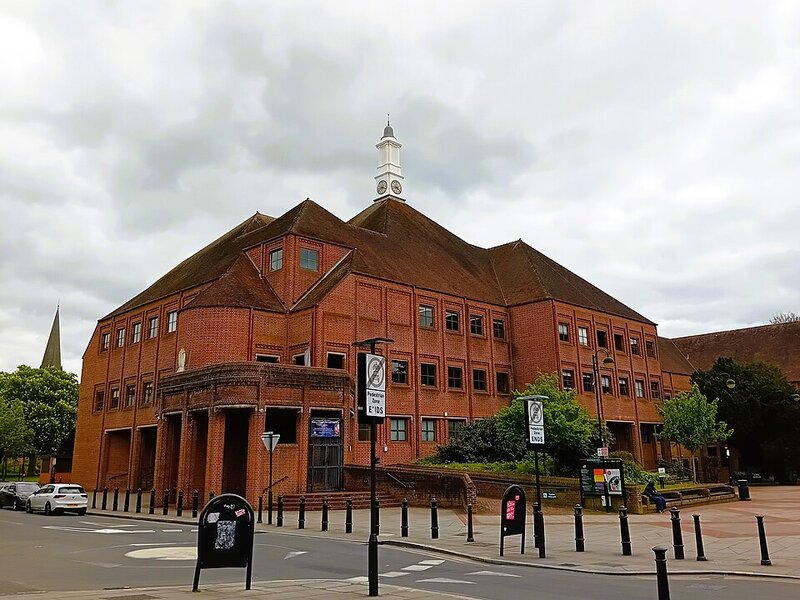
Opened in 1976 and officially inaugurated in 1979, the Civic Centre has been at the heart of local democracy, public life and community identity for almost 50 years. Designed by the renowned architects Robert Matthew, Johnson-Marshall & Partners, the complex marked a bold departure from the traditional Victorian town hall. Rather than a series of small cellular offices, it embraced a modern vision of civic architecture, with open-plan office floors connected to a purpose-built civic suite including the Council Chamber, Mayor's Parlour, Registry Office, meeting rooms and ceremonial spaces.
Constructed by Higgs and Hill with over 40 specialist subcontractors, the £18.5 million development occupies an eight-acre site incorporating landscaped gardens and a generous civic square. Although modern in conception, its use of red brick, pitched tiled roofs and carefully considered proportions reflected the domestic architecture of Hillingdon, allowing the building to sit comfortably within its surroundings while establishing a distinctive civic landmark.
In recognition of its architectural significance, the Civic Centre was among the post-modern public buildings across England granted listed status in 2018, acknowledging its importance as an outstanding example of late twentieth-century civic design.
Today, Hillingdon Civic Centre remains the headquarters of the London Borough of Hillingdon and continues to host council meetings, civic ceremonies, mayoral events and public services. Beyond its administrative role, it is also home to an impressive collection of artworks and heritage that many residents have never had the opportunity to see.
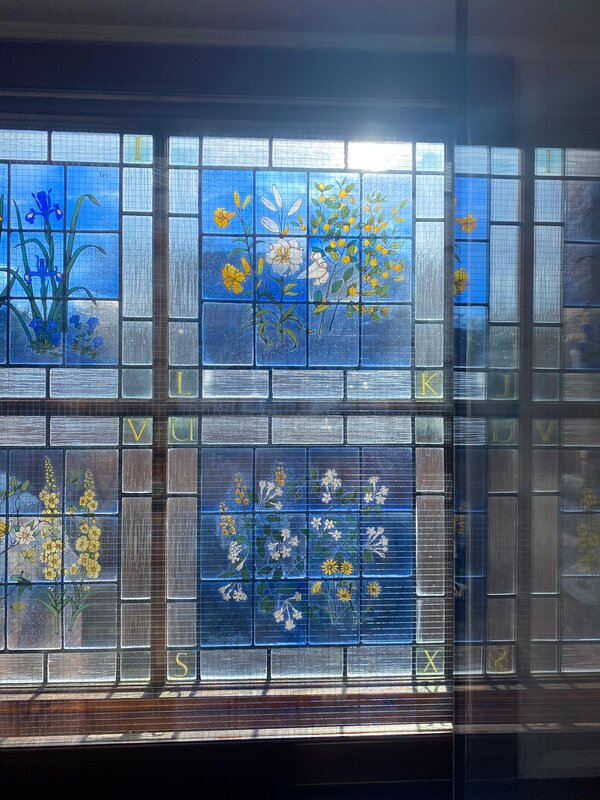
Highlights include the striking stained-glass window by Jane Gray celebrating Hillingdon's international town twinning with Mantes-la-Jolie in France and Emden and Schleswig in Germany, alongside the borough's official badge. Visitors will also encounter John Phillips' dramatic suspended yew wood sculpture, created from trees saved during construction of the M40, and the beautifully crafted Mayoral Roll designed by the celebrated letter-carver David Kindersley.
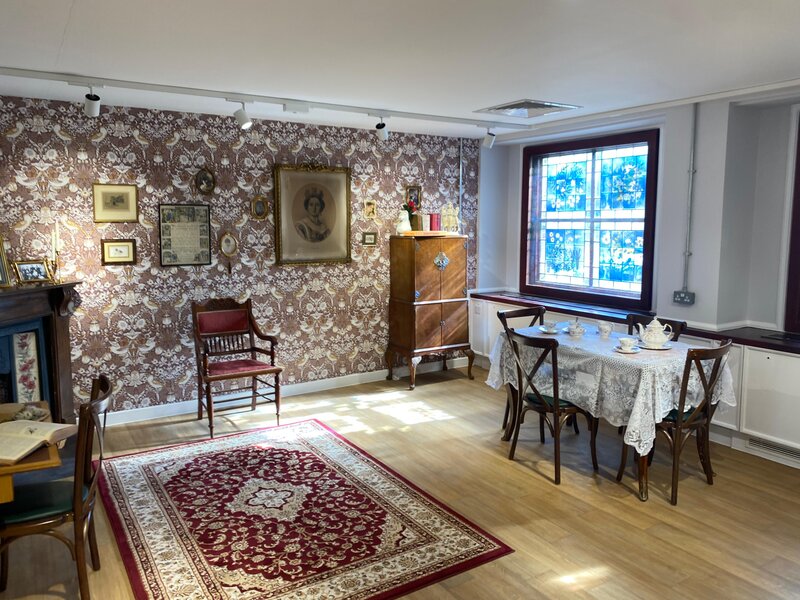
Throughout the building are further artistic and historical treasures, including sculptures, civic artworks, the original planning model used during the building's development, the fascinating collection known as "The Bones", and the portrait of Lady Hillingdon. Together these collections reveal how art, architecture and civic identity have been woven into the everyday life of the borough for generations.
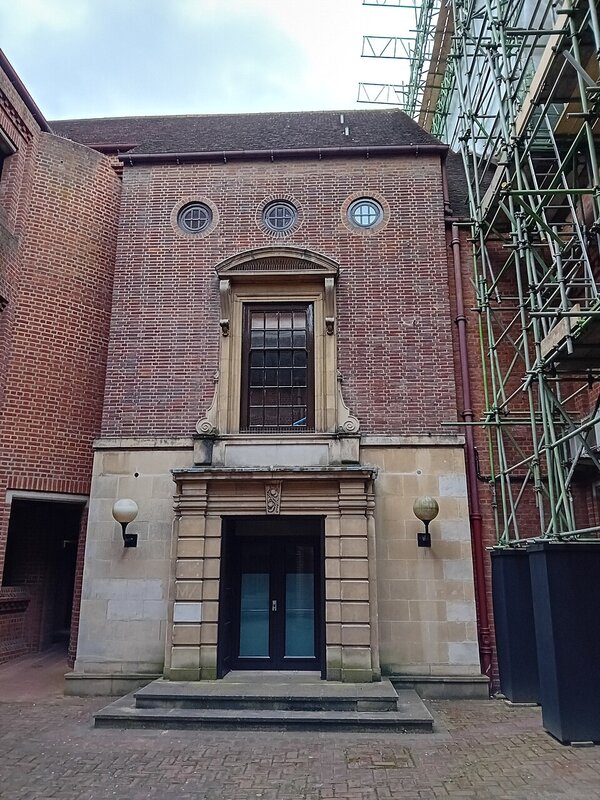
Led by architectural specialists and local history experts, this unique walking tour offers an unprecedented opportunity to discover the stories behind one of Hillingdon's most recognisable buildings. Beginning outside, you'll explore the Civic Centre's award-worthy architecture, its relationship to other civic centres of the period, and the design philosophy that redefined the modern town hall. Along the way, guides will reveal the significance of the Marriage Room, outdoor artworks and the building's carefully composed public spaces.
Inside, visitors will gain rare access to spaces that are ordinarily closed to the public, uncovering remarkable artworks, historic objects and architectural details that are rarely seen beyond those who work within the building. The tour explores the celebrated stained glass, staff foyer artworks, planning model, the intriguing "Bones" collection, the portrait of Lady Hillingdon and concludes with Jane Gray's beautiful stained-glass window before returning via the museum, where there is an opportunity to continue exploring Hillingdon's rich local history.
It is a rare invitation into the civic heart of the borough—a chance to experience nearly half a century of architecture, art, democracy and local heritage from within.
The tour will start and end at the Hillingdon Museum and Archives, located next to Uxbridge Library within the Civic Centre itself.
Each tour will last approximately 45–60 minutes