walk/tour
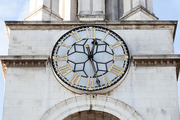
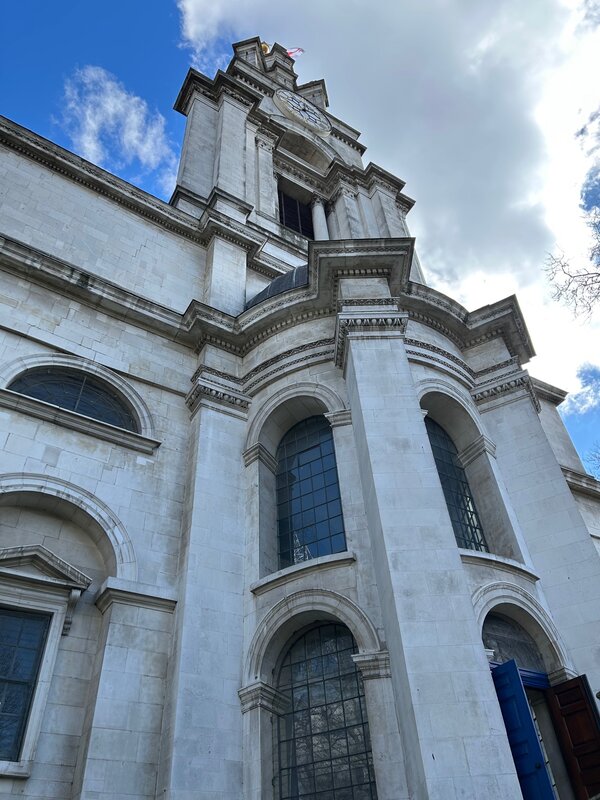
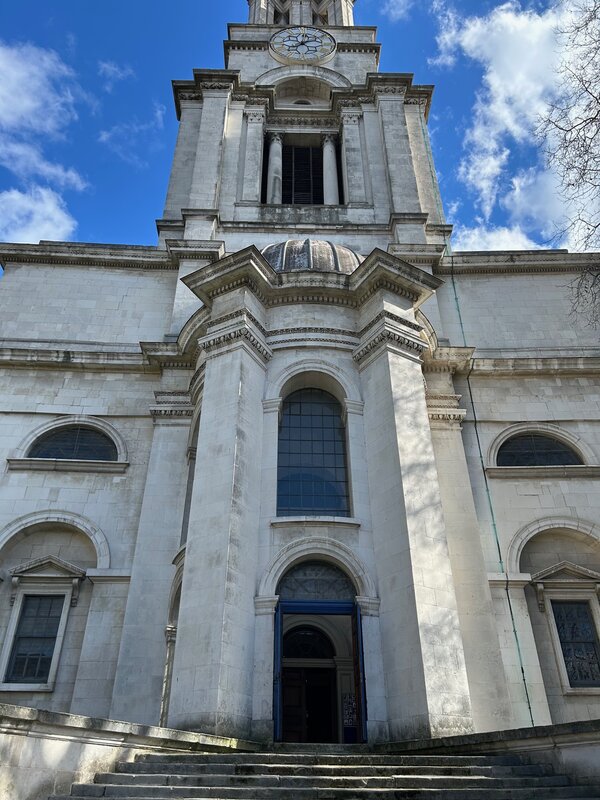
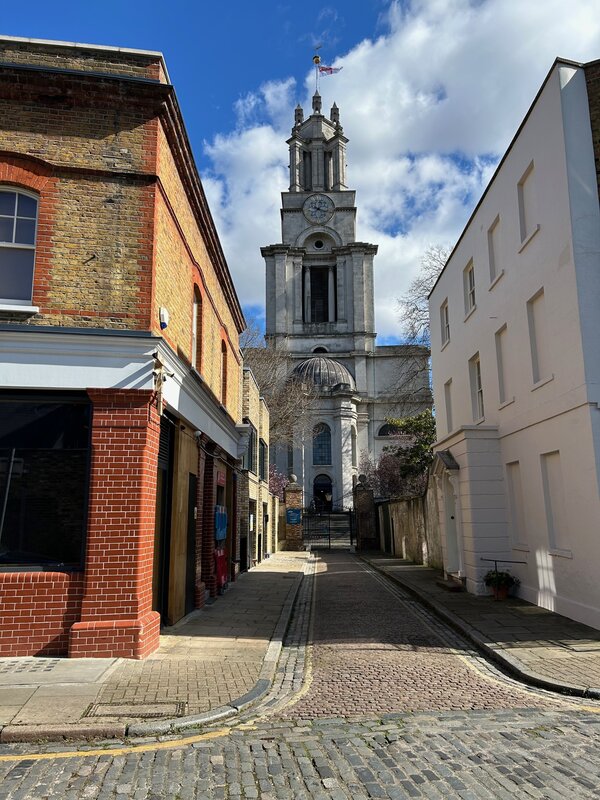
Nicholas Hawksmoor, 1730
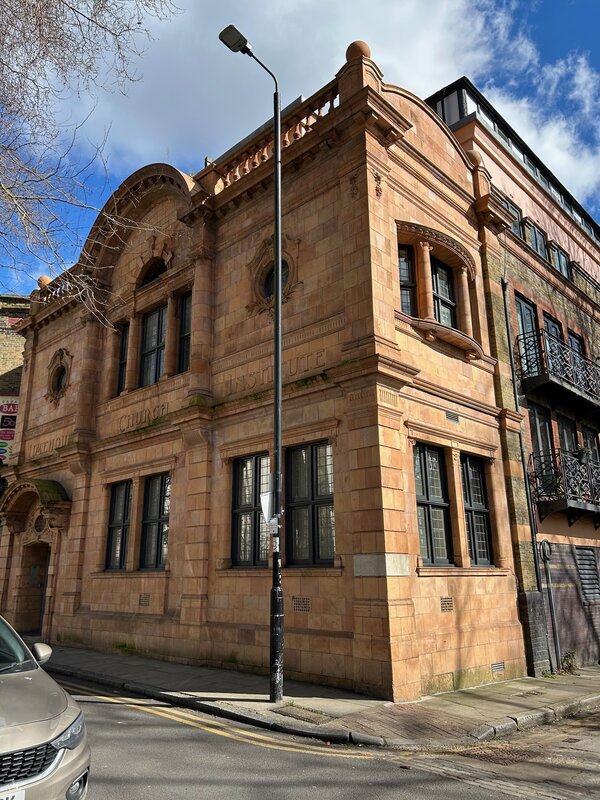
Old Limehouse Townhall, E14 7HA
Medieval industry, imperial trade, immigration, poverty, wartime destruction and modern regeneration have all left their mark on the Limehouse area. This walking tour covers a range of architects and architecture from C18th to C21st.
Westferry
15
End point riverside near Narrow St.
Old Limehouse Townhall faces the busy Commercial Road, however there are quieter spaces to the side of the building on Newell St.
Walking tour
15:00–17:00
How to book
You'll need to log into your account before you book.
Walking tour
15:00–17:00
How to book
You'll need to log into your account before you book.
Walking tour
15:00–17:00
How to book
You'll need to log into your account before you book.
Medieval industry, imperial trade, immigration, poverty, wartime destruction and modern regeneration have all left their mark on the Limehouse area, which developed as a maritime settlement, serving ships travelling to and from the Port of London.
From the Tudor period through the 19th century, it was an important centre for shipbuilding, rope-making, sail-making, trade and warehousing. Its fortunes were linked to London's expanding global trade network.
As a result, Limehouse became one of Britain's most diverse neighbourhoods, as sailors and workers arrived from across the world, including Chinese seamen, African mariners and European immigrants.
During WW2, the docks and riverside industries made Limehouse a target for bombing and large parts of the area were destroyed. The Chinese community was dispersed, and many residents relocated. After the war, dock activity gradually declined, as container shipping and larger ports transformed maritime trade.
The creation of the London Docklands Development Corporation in 1981 began a major redevelopment programme, with new housing, transport links and marina developments.
Despite extensive redevelopment, traces of its maritime and multicultural past remain visible in street names, surviving churches such as St Anne's, and the layout of the old docklands.
Buildings and sites we will visit include -
Limehouse Town Hall
Limehouse Cut
St Annes church
Narrow Street housing
View of Canary Wharf from Limehouse reach