Open House Festival

Collections

Back to collections

Golden Key Academy alumni guides

Many of these Golden Key Academy graduate tour guides lead tours year-round, either independently or for other organisations. You can learn more about tours these guides lead by checking their individual event listings.

Applications for 2027 are now open! Further information on the Golden Key Academy can be found here open-city.org.uk/golden-key-academy
Walking tour

1930s Bloomsbury walking tour

walk/tour

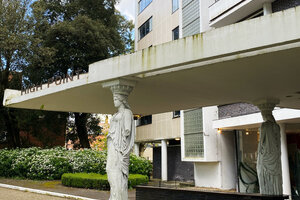
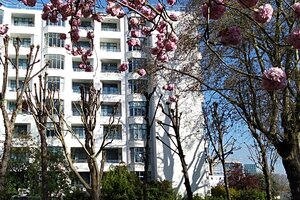
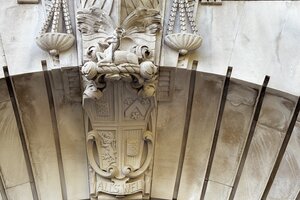
The leafy Georgian streets of Bloomsbury were shaken up in the 1930s by a new wave of development, from great academic institutions to speculative flats for modern urban living, plus probably the most stylish car showroom in London. We'll explore the range of 1930s architectural styles used in some famous and not so famous buildings, and even take a peek inside where we can.

This walking tour explores the evolution of local government through the story of Camberwell. It charts the development of institutions in response to intense social and economic change to shape the city we know today. We will celebrate the visible reminders of this history in the streets around us and ask: why does this matter to Londoners today?

Walking tour

Art and architecture in Thamesmead

walk/tour

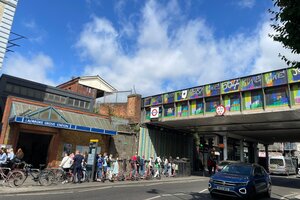
On the surface Thamesmead might seem concrete and grey, but on this tour we will take a look at the colour and life local artists are breathing into the area. Examining the past and present, we'll explore the abbey ruins, exciting sculptures, concrete skywalks, and vivid murals that make this place the Town of Tomorrow.

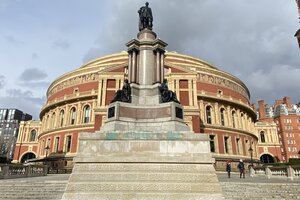
On this walk you will see some of the forgotten contributions of Victorian women to the magnificent buildings of South Kensington, in particular the V&A and the Royal Albert Hall. You will also see how women were represented very differently from men on the buildings and memorials of this internationally important arts and science district.

Francis Fowke, 0

Edmonton has been described as a working class suburb but there are now signs of growing affluence, a result of regeneration and some might say the neighbourhood is ripe for gentrification. The walk will explore a variety of neighbourhoods.

Join this walking tour to explore London's energy history and its impact on sustainability. Visit the King's Cross canals to see old and new infrastructure. Topics include London's carbon footprint, quantifying health benefits from green infrastructure, and the role of the built environment in meeting the net zero targets. Discover how London’s past has shaped its sustainable future.

Walking tour

From Limehouse to Canary Wharf

walk/tour

Medieval industry, imperial trade, immigration, poverty, wartime destruction and modern regeneration have all left their mark on the Limehouse area. This walking tour covers a range of architects and architecture from C18th to C21st.

Arthur and Christopher Harston, 1881

This year marks the 52nd anniversary of when the wholesale market ceased trading and moved to the Battersea/Vauxhall area . The tour charts the evolution of Covent Garden, incorporating the piazza, the wholesale produce market, social residential areas and supporting neighbourhoods, and highlighting the social and commercial highs, lows and challenges. Contact tonyganio@gmail.com

-

The early 1800's saw the green fields of northern Clerkenwell spring up into grand squares and terraced houses. This walking tour will look at how the speculative housing developed, what remains today, and the unique stories and characters of the area.

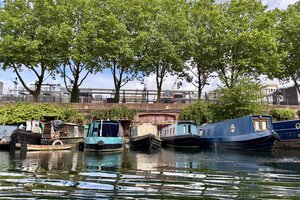
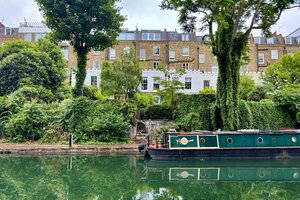
Calling all canal enthusiasts - also known as 'gongoozlers' - to walk through the social and industrial history of Little Venice, Camden Lock, and St Pancras. If you enjoyed Gongoozlers of Regent's Canal & Limehouse Basin in the east (Open House 2024), you will enjoy this new west side story. Discover how a hand-dug canal shaped the lives of West Enders, Londoners, and the United Kingdom.

John Nash, 1820

Calling all canal enthusiasts - known as gongoozlers - to walk through the social and industrial history of Victoria Park, Haggerston, and Islington along Regent's Canal. Discover how a purpose-built canal shaped the lives of East Enders, Londoners, and the United Kingdom.

John Nash, 1820

Walking tour

In Shakespeare's footsteps

walk/tour

In 1949, American actor Sam Wanamaker came looking for Shakespeare in London and could not find much, so decided to re-build the Globe Theatre. Join Lisa who holds a MA in Shakespeare Studies from the Globe Theatre and King's College London and walk in steps of Shakespeare -- and Wanamaker nearly 400 years later.

Walking tour

Islington New River walking tour

walk/tour

This walking tour will follow the course one of the earliest public infrastructure projects in London, the 400 year old New River aqueduct. Explore a history of innovative public housing developments in one of the most densely populated parts of London and end at New River Head, a striking example of public utility architecture now being repurposed for arts and culture.

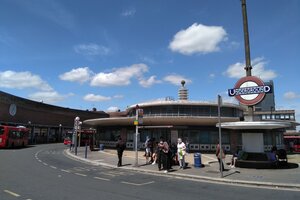
A walking tour exploring the development of Southgate from the 18th century to the present day. From landed estates to interwar suburbia and beyond, this walk will uncover masterpieces of Modernist architecture, compare the municipal and suburban influences on the area, and challenge preconceived notions of ‘natural’ landscapes.

This walking tour will draw comparisons between the progress and demise of the postwar welfare state. Focusing on housing and healthcare, the tour will present prominent examples from the era and discuss ways these are being adapted to meet contemporary challenges, such as the housing crisis and ongoing maintenance. The ambition of the tour is to reassess the value of postwar architecture today.

The area post 1700 became very cosmopolitan with immigrants mainly from Europe, and their influence on food and drink became increasingly important. This tour is based on food and drink, passing by restaurants, pubs, coffee bars, pâtisserie and delis that have been present for decades, finishing at a relatively new site.

Unpack my story of North Kensington’s rich history on this guided walk. My family was one of the first families to move into the Brutalist-style Trellick Tower. From rural roots to industrial hub, class divides to cultural revolution – discover hidden stories, iconic sites, and how migration and activism shaped a vibrant, ever-changing community like no other: my childhood playground.

Our walk explores the river that shaped London. As we follow the North Bank, we will uncover how the Thames sparked the city’s birth, powered trade, and supported daily life. From ancient monument, to medieval bridge building, Victorian engineering, to today’s iconic views and new super sewer – the riverside reveals Londoners' evolving relationship with the Thames.

Walking tour

The Fleet beneath your feet

walk/tour

A walk along and around a stretch of London's most famous hidden river. The River Fleet is underground these days, but it's left its mark on the landscape. Discover the layers of history in this less explored corner of central London.

various

Walking tour

The hidden Streets of Westminster

walk/tour

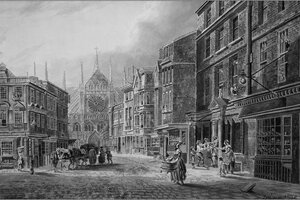
Behind the façade of power of Westminster lies a maze of backstreets, brimming with history from a medieval English village, prisons, slums, plague pits to birth of English printing and world of espionage… Trace the footsteps of suffragette and spies, and uncover the fascinating stories, people and events shaped British history.

This tour takes visitors around the haunts and homes of famous Victorian artists, both international and local, and explores the connections between these personalities and their work, the wider impact of their art on society then and now, and the excitement of the Victorian time period's prolific artistic output and invention.

Walking tour

Whose Paddington?

walk/tour

This walking tour uncovers the stories of urban redevelopment in Paddington, exploring how successive major infrastructure projects have repeatedly reshaped the historic fabric of the area. We will trace the impact of these transformations, considering the balance between disruption and economic progress, asking who benefited and who was left behind in their wake.