mixed use
PLP Architecture, 1864
An architectural talk exploring the story of the historic Bankside Yards railway arches and their transformation into a new cultural destination on London’s Bankside. Now reopening after 150 years hidden from the public, the talk will offer an opportunity to discover how historic infrastructure can be reimagined to create vibrant new spaces while preserving the character and stories of the past.
Blackfriars, London Bridge, Southwark, Waterloo
Blackfriars, London Bridge, Waterloo
344, 381, 40, 63
Blackfriars Pier
London’s Bankside is an area rich with history, its story woven through centuries of London’s past. From the Romans’ settlement of Londinium, and the now-invisible traces of medieval and Tudor life, through to the dense patchwork of houses and commercial endeavours of the Georgian era, and as a thriving hub of industry during the Victorian era. And, onto the present day, as the area evolves once again.
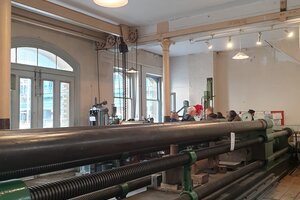
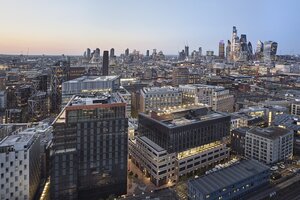
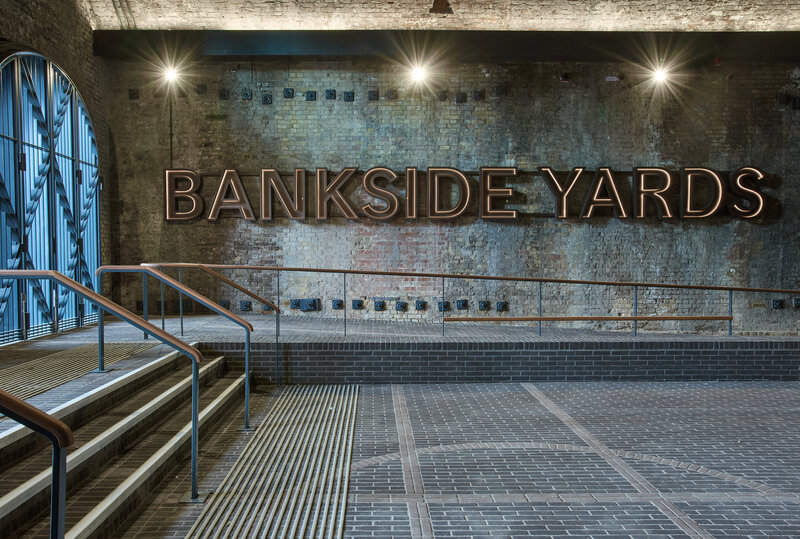
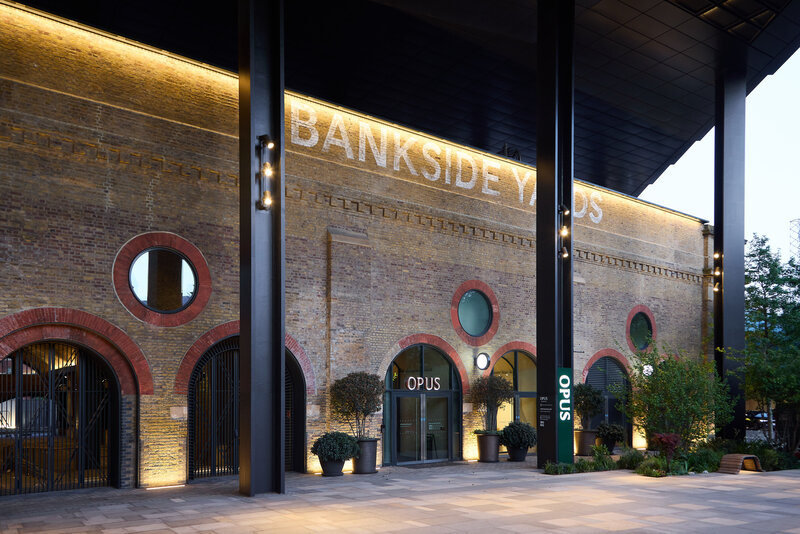
This architectural history talk, hosted at Native Land’s Bankside Yards - a new, mixed-use riverside destination for the capital - will explore the story of the site’s history, focused on its railway arches. Having been closed to the public for over 150 years, 2026 has seen the arches reopen to the public, now offering a rare example of how historic infrastructure can be adapted for contemporary city life while retaining the character, material history and layered stories of the past.
Set within the arches themselves, this talk will bring together a trio of expert speakers who will trace the origins of the arches within London’s industrial and railway history, examine their architectural significance, and discuss the process of carefully adapting them for new public use for modern day London.
The conversation will explore the relationship between heritage, regeneration and placemaking, looking at how a long-concealed piece of Victorian infrastructure has been reopened and reinterpreted as part of a wider transformation of the Bankside waterfront.
Speakers will also reflect on the role of the project in reconnecting South Bank and Bankside for the first time in 150 years and what this means for the future of the area as a place for culture, work and everyday public life.
The speakers
Nicholas Gray, Executive Director, Native Land
Nicholas has played a central role in shaping Bankside Yards into one of London’s most significant new riverside destinations, helping to drive its transformation with a strong emphasis on culture, placemaking and public realm. Since joining Native Land in 2008, Nicholas has led the vision, positioning and promotion of landmark developments across prime central London, with Bankside Yards standing out as a defining project. He began his career at Grosvenor in 2002 and is a Member of the Royal Institution of Chartered Surveyors.
Lucy Denton, Architectural Historian and Writer
Lucy Denton BA (Hons) MA FRSA FRGS FRHistS is an architectural historian and writer providing in-depth research and scholarly content for Heritage Statements and other historic building reports. Experience over more than 25 years takes in a considerable record of projects, from World Heritage Sites in Britain to Wentworth Woodhouse and former Victorian paupers’ accommodation in rural Hampshire. She has worked for Sotheby’s, advised programmes on Channel 5 and the BBC, and has written editorial and articles for publications including Hudson's Historic Houses, The London Magazine, the in-house magazine to 5 Hertford Street and more; she also writes for Country Life. She is a Founding Trustee of the Commonwealth Heritage Forum.
Lee Polisano, Founding Partner, PLP Architecture
Lee has been instrumental in masterplanning Bankside Yards, leading the design of the UK’s first major fossil-fuel-free, net-zero masterplan and helping to define it as one of London’s most ambitious new riverside destinations. Alongside Bankside Yards - including next-generation workplace, Arbor, and Opus, a new 170-metre residential tower – Lee has led the design of some of London’s most significant developments, as well as major institutional and commercial projects such as The Francis Crick Institute, Kaleidoscope and Sky Central.

Drop in
education, industrial, community/cultural, gallery, retail, public realm/landscape
Carreducker bespoke shoemakers and Shoe & Leather School is located at Unit 1.20, one of 25 workshop and retail units in Oxo Tower Wharf. It overlooks the courtyard towards the Bargehouse building from the first floor walkway and is a multi-purpose space used as a workshop, showroom and teaching space.
Albert W Moore, 1930