religious
Augustus Welby Pugin , 1848
Lambeth Road SE1, SE1 7HY
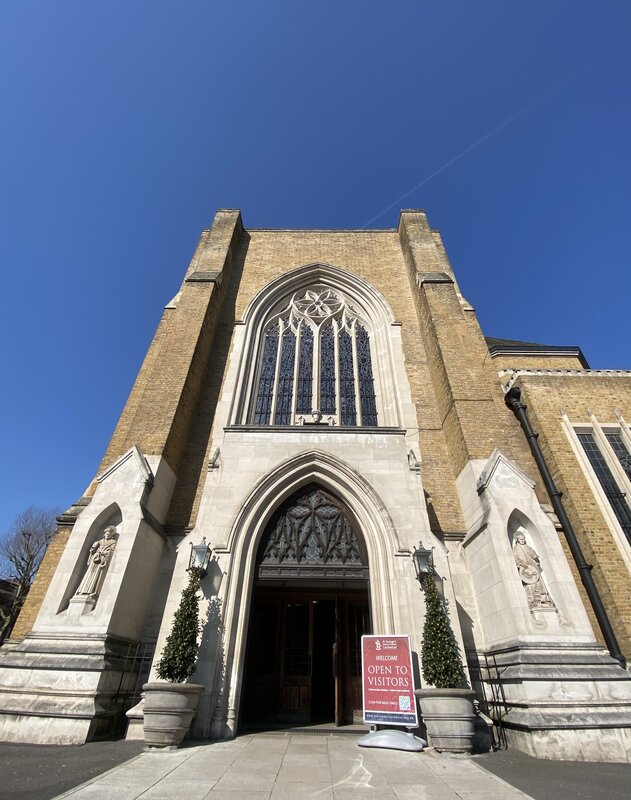
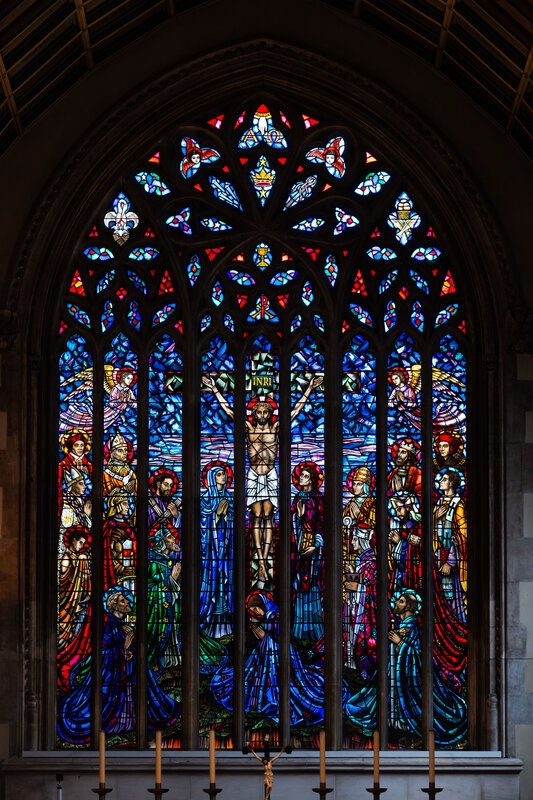
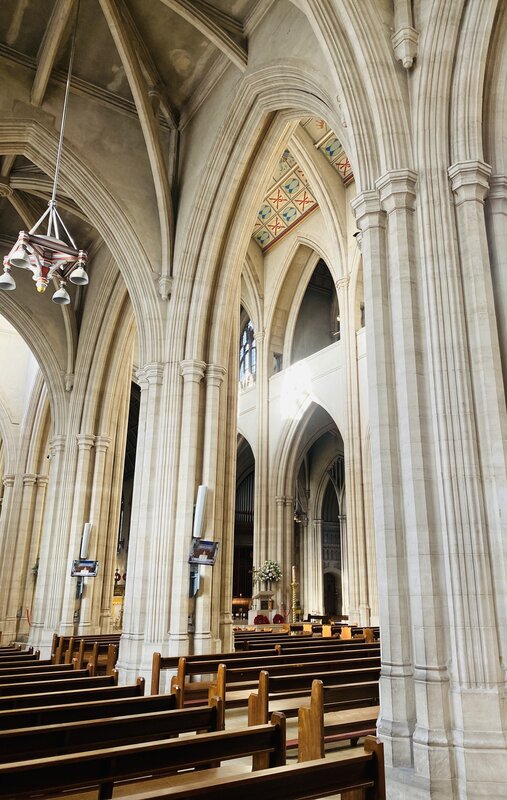
A stunning cathedral in the heart of London. Discover the story of a forgotten masterpiece. Designed by Augustus Pugin and opened in 1848, the original cathedral was hailed as England's foremost Catholic church before an incendiary bomb devastated the building in 1941. Explore the history, architecture and legacy that shaped the Cathedral you see today—and discover its remarkable story.
Lambeth North
Waterloo
1, 12, 45, 53, 63, 68, 100, 168, 171, 172, 176, 188, 344, C10, 103, 155, 148, 453
N/A
10:00–17:00
Discover the Cathedral's heritage from 10am–5pm, respecting times of worship.
10:00–17:00
Mass: 8am, 10.00am, 12pm (Solemn), 1.30pm (Espanol) Discover the Cathedral's heritage from 10am–5pm, respecting times of worship.
10:00–17:00
Open for worship from 7.30am. Discover the Cathedral's heritage from 10am–5pm, respecting times of worship.
10:00–17:00
Open for worship from 7.30am. Discover the Cathedral's heritage from 10am–5pm, respecting times of worship.
10:00–17:00
Open for worship from 7.30am. Discover the Cathedral's heritage from 10am–5pm, respecting times of worship.
10:00–17:00
Open for worship from 7.30am. Discover the Cathedral's heritage from 10am–5pm, respecting times of worship.
10:00–17:00
Open for worship from 7.30am. Discover the Cathedral's heritage from 10am–5pm, respecting times of worship.
10:00–17:00
Open for worship from 7.30am. Discover the Cathedral's heritage from 10am–5pm, respecting times of worship.
10:00–17:00
Mass: 8am, 10.00am, 12pm (Solemn), 1.30pm (Espanol) and 6pm. Discover the Cathedral's heritage from 10am–5pm, respecting times of worship.
St George's Cathedral, Southwark has stood at the heart of Catholic life since 1848. It is both an architectural landmark and a record of faith, community and renewal across nearly two centuries of change.
Its first bishop, Thomas Grant, was a leading Catholic figure following the Roman Catholic Emancipation Act of 1829. As Bishop of Southwark, he was central to the re-establishment of the Catholic hierarchy after more than 300 years, contributing to Universalis Ecclesiae, and helped shape the restored Church across southern England. He negotiated with government and the military to secure Catholic chaplains in the armed forces and prisons, and supported the Bermondsey’s Sisters of Mercy in their work with Florence Nightingale during the Crimean War.
In the years that followed, Catholic leaders guided the Church through rapid population growth, urban expansion and social change. New parishes and schools were established, alongside works of charity and pastoral care that strengthened Catholic communities across southern England. These developments helped embed the Church more firmly within public life and shaped its long-term mission.
The Cathedral’s history was dramatically interrupted in 1941, when an incendiary bomb during the Second World War caused severe damage. The loss marked a turning point, but also the beginning of renewal for the building and its community.
Restoration was funded by the War Damage Commission, alongside generous contributions from Ireland, the United States, the people of South London, and the Archdiocese of Southwark. This wide support reflected the Cathedral’s importance both locally and within the wider Catholic world.
The rebuilding was led by architect Romilly Craze, who carefully reconstructed the Cathedral in the post-war period. His work balanced respect for Augustus Pugin's original design with the needs of a living place of worship, ensuring the Cathedral could continue to serve future generations.
Throughout its history, the Cathedral has welcomed figures of international Spiritual significance, reflecting its wider religious and cultural importance. These include Saints Pope John Paul II, Mother Cabrini (the first American saint), and Mother Teresa of Calcutta, as well as the Dalai Lama, whose visit added an interfaith dimension to its story.
The Venerable Mary Potter, foundress of the Little Company of Mary in 1877, was closely connected with the Cathedral. She is now recognised as Venerable in the Catholic Church, and her cause for canonisation is ongoing.
Today, the Cathedral remains a living place of worship and community. Its story is shaped by leadership, resilience and renewal, and by the many people who have helped form its continuing mission across generations.
St George's Cathedral is the historic Roman Catholic Metropolitan Cathedral Church of St George and the seat of the Archbishop of Southwark. It is a house of prayer - an active place of worship and we hope you'll enjoy your visit. Please dress modestly and respectfully when visiting the cathedral and refrain from eating and drinking during the visit. Please also note that photography, video recording, and all other forms of recording are strictly prohibited during Mass and any other acts of worship.
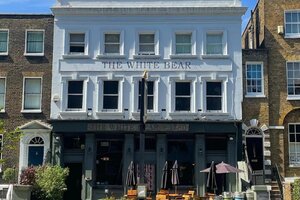
Walking tour
Let’s find out about the Irish who lived just south of the river Thames. Their story and achievements, covering the last few centuries to recent times, incorporating local London history whilst strolling through beautiful historic parks and Georgian squares. Starts outside The Tankard pub, Kennington Road. SE11. Finishing at Kennington Park. SE11.