These tours are led by participants in Open City's Golden Key Academy 2026, a course that trains insightful, engaging guides to explain London and bring its many stories to life.
Applications for 2027 are now open. Find out more at open-city.org.uk/golden-key-academy
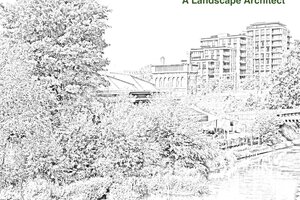
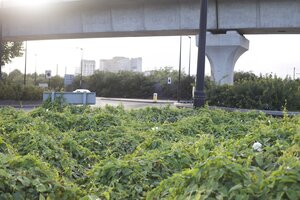
Moving through the King’s Cross area, the tour explores how green spaces shape everyday life. Walk with a landscape architect to see how design intentions are maintained, adapted, or reinterpreted by the people who use them. By speaking with designers, planners and local residents as part of the tour research, the tour captures stories that reveal how public spaces are imagined, experienced and shared.
Root ab Erect, 2025
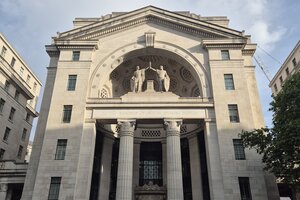
The relationship between music and architecture is often overlooked. With reference to some of London’s St James architectural gems, this tour traces the symbiotic evolution of these two disciplines, from their overlapping foundations to the modern-day role of music as the built environment’s muse.
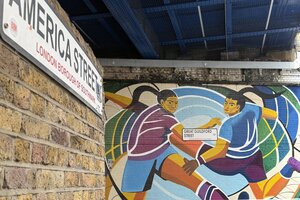
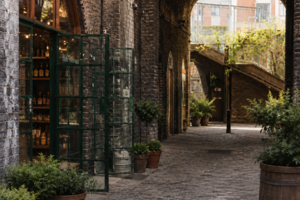
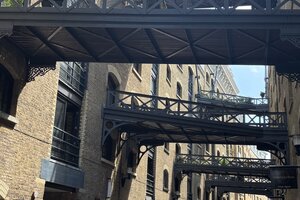
Bankside was once a secluded powerhouse of Victorian London, a place that kept industry in and casual visitors out. Today, it boasts a network of arches and alleyways repurposed for public use. Led by a Bankside insider, this tour explores the history and reclamation of the arch as a usable space through an emerging urban trail – including the brand-new America Street redevelopment.
A lively food-history walk from Bermondsey to Borough, tracing how railway arches, markets, hop trading, coaching inns and migration have shaped how London eats. We will explore Spa Terminus, Maltby Street, The Hop Exchange, The George Inn and Borough’s market edge through stories of trade, travel, street food, preservation, neighbourhood change and hidden corners, past and present along the route.
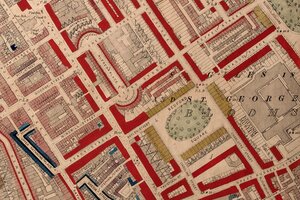
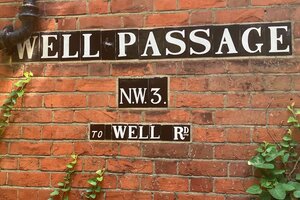
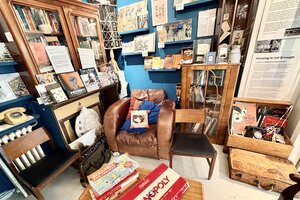
Discover the many ordinary and working class people who lived and worked in Bloomsbury. Join me on a tour of Bloomsbury's mews and back streets to learn about slum quarters and social housing, street traders and factories, listening to marginalised voices from the time along the way.
This walk explores how artists, activists and local communities have contested, defended and reimagined urban space across Wanstead Flats and Leytonstone. From the struggle to protect common land and Epping Forest to the creative resistance of the M11 protests and contemporary grassroots projects, we uncover histories of collective action, cultural imagination and alternative visions for the city.
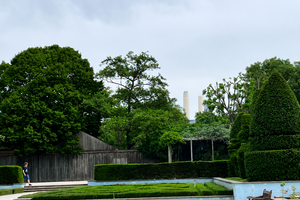
This tour explores the evolution of Battersea, with a particular focus on its role as a destination for Londoners. From the days of Charles Dickens and the Red House Tavern, through the post-war Festival of Britain's Pleasure Gardens, to the modern-day Battersea Power Station, this stretch of London along the River Thames has long offered opportunities for leisure, entertainment, and discovery.
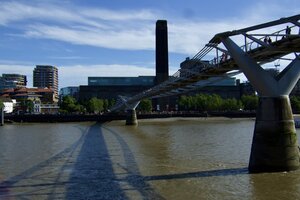
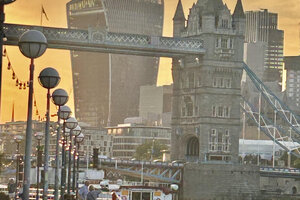
For centuries the South Bank of the Thames sat outside the historic City of London's jurisdiction — and beyond its moral gaze. This walk traces how that freedom shaped the unique buildings and streets of Southwark, and how the regenerated riverfront we see today has preserved, adapted or quietly erased that past.
Laying Blitz photographs against the streets of today, this tour traces the rebuilding of the City around St Paul's from rival postwar blueprints to pocket parks and privately-owned public spaces. We look at what today’s business district replaced and also at the remnants of conflict still visible in the streets today.
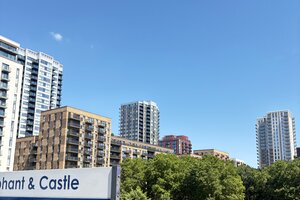
This tour explores the architectural and social histories of Elephant & Castle, Walworth and Peckham through successive waves of regeneration. The tour draws on research into South London gentrification – examining Victorian and Brutalist housing, town planning, transport, heritage and community change, and tracing the area's evolution from rural Surrey settlements to contemporary redevelopment.
-
The walk will offer new perspectives on the history of Hampstead by exploring what has changed, disappeared, or been imagined, through social changes, by architects and town planners, and creatively by artists, writers, radicals and poets. During the walk we will uncover forgotten stories in Hampstead's history and the fascinating ways in which these have left their mark on the local area.
Join this enjoyable stroll through the City of London, exploring the story of water and how it continues to shape the place we know today. We will follow in the footsteps of ancient Romans and famous Londoners such as Dick Whittington and Samuel Pepys, and discover how forgotten rivers, ingenious water wheels and vast sewers have transformed life in the City from earliest days to the present.
Step into Bankside and Southbank — where prison grounds became peaceful parks and Victorian philanthropists reinvented social housing. Hear about local nurses who fearlessly fought fascism in Spain. Pay respects at a burial ground for women of the night, uncover centuries of queer history hidden in plain sight, and celebrate three hundred years of West African creativity woven into the soul of this remarkable riverside neighbourhood. A walk exploring the working class, global majority and queer history of London's Bankside and Southbank – recounting known and unknown histories next door to the City Wall.
On the borderlands of the City of London, this walk explores how authority and ownership shape our public spaces. It traces the hidden boundaries between different types of public space, asking who gets to make the rules, who benefits, and what the answer tells us about power, property, and public life in the city we share.
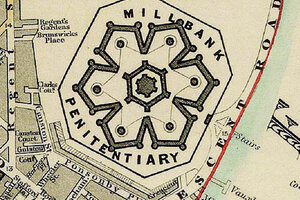
This tour will explore themes of incarceration, reuse, and renewal focusing on the Millbank Penitentiary and Millbank Estate in Westminster. The walk will explore where the Penitentiary stood, its architectural style, its chequered history and its conditions for inmates. The walk will then take in Millbank Estate, its origins, design, and its physical connection with the Penitentiary.
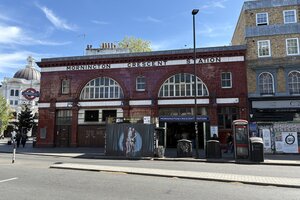
This walk explores the journey from Mornington Crescent to Great Portland Street, tracing changes in housing, work, education, leisure and community. Along the route, participants encounter layers of Camden's social history while experiencing a gradual shift in sound, architecture and atmosphere. The crossing of Albany Street marks a key moment in this journey.
Leslie Green, 1907
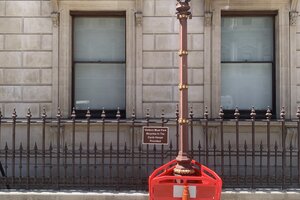
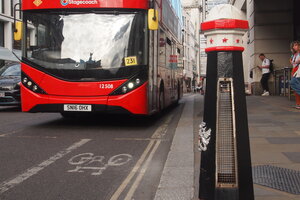
This walking tour tells the story of central London though one of it’s most abundant and unnoticed elements of street furniture – the humble bollard. Standing proud on our pavements, these posts carry peculiar stories, protect buildings of historic significance, and come in an array of beautiful shapes and sizes. Come along to learn more about our streets’ cast iron compatriots.
This architecture and open-space tour explores post-war north Lambeth. Born in an era of optimism for health, housing, learning, and play, these modernist places tell a deeper story. Together, we will uncover hidden figures of influence, reflect on representation, and examine how culture challenges our values. By considering power, people and context we can make a better 21st-century city for all.
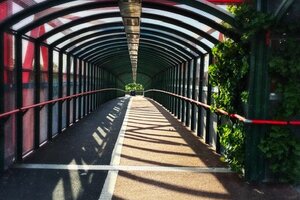
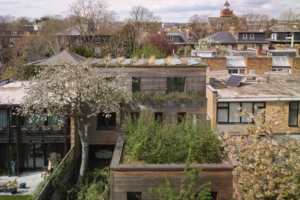
London faces a looming climate crisis: how can our homes stay cool, dry, and affordable as extreme weather events become the norm? This walking tour explores the Passivhaus design standard in Camden — prioritising sustainability, energy efficiency, and comfort. Visits to Agar Grove, Max Fordham House, and Carlton Chapel House showcase how new-builds and retrofits tackle the climate emergency.
Hawkins\Brown, 2021
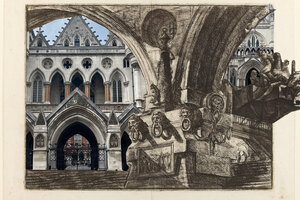
This walking tour explores the different ways power and wealth is exemplified in architecture around the Strand. Inspired by the methods of Giovanni Battista Piranesi and his depiction of 'power' in his works, we will be doing sketches throughout the tour, studying different types of architectural components and ornamentation to help us imagine and compose our own impactful landscapes.
This walking tour explores the City of London through the lens of nursery rhymes, using both well-known and lesser-known verses as a playful way into its architecture, communities and history. Rhymes such as 'London Bridge is Falling Down' and 'Oranges and Lemons' are rooted in real places and experiences. Along the way we will uncover some of the darker stories that may lie behind these innocent verses.
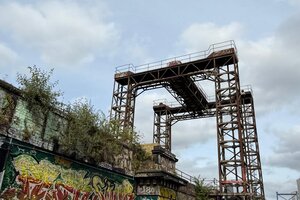
Silvertown is a newly regenerated area in the borough of Newham, being re-equipped to provide infrastructure for its burgeoning community. Nevertheless, we will be walking through an unconventional urban landscape to identify the daring narratives of mercantile activity, workers protests, and industrial innovations along the way. This tour ends with a tour of Tipping Point East - a new circular economy hub.
Explore a fascinating working-class neighbourhood with a radical and surprising past. Learn of its efforts to hold onto its distinctive and proud culture in the face of rapid gentrification, especially within the neighbouring St Pancras and King's Cross districts. Discover the place of nature, community, heritage, and wellbeing in a neighbourhood that's changing very rapidly.
This walking tour explores the stories and development of different ways of travelling through Greenwich Old Town across time. For its distinctive physical, social and historical character, Greenwich offers surprisingly a rich landscape of journey-making. The tour follows routes by river, rail, road and time.
0
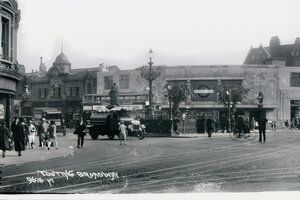
Discover Tooting’s transformation from rural village to vibrant town. Starting at Tooting Bec and following the ancient Roman Stane Street, this one-mile tour contrasts historic views with today's high street. Explore iconic building facades, changing shops, and post-war migration. See how planning has shaped the area and what the future holds for this evolving neighborhood.
The tour examines the changing face of Bermondsey through its buildings, industries, and communities, tracing how the Industrial Revolution shaped the area and how that legacy continues to influence the neighbourhood today.
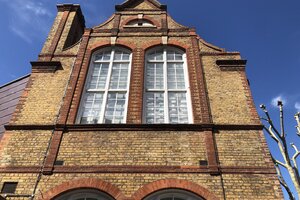
We attend primary school at an impressionable age and this is often our first experience of wider society. The word 'school' is used to mean the social institution and the physical building but neither is fixed - both are subject to change. This walking tour will explore the evolution of school building design, teaching practice and attitudes to education in Southwark between 1873 and 2022.
Join us for a walking tour along a short but remarkable stretch of the Strand and Aldwych, where centres of law and learning have flourished from Tudor times to the present day. Along the way, we will hear the stories of the women — and a few men — connected to this corner of London: royal residents, scholars, activists, lawyers, artists and athletes who lived, worked, studied here, and went on to change the world. We will look at the buildings and artworks that carry their traces and walk in the footsteps of some of history's most formidable women, who opened doors for those of us who came after them.